

Vederci bene, è naturale!
Spesso per mancanza di attenzione non consideriamo quei piccoli messaggi che il corpo ci invia, e quei piccoli e abituali fastidi agli occhi passano inosservati. Ti invito a fermarti un attimo e a chiederti:
- Hai spesso occhi stanchi o secchi?
- Non riesci più a mettere a fuoco né da lontano né da vicino?
- Sei miope e vuoi finalmente fare qualcosa per vedere meglio?
- Sei presbite e sei stufo di portare occhiali sempre più forti?
Come vivi tutto questo? Pensi di dover fare per forza ricorso agli occhiali, che spesso vivi come una schiavitù?
Sappi che c’è un’altra via, naturale e anche vantaggiosa.
Alcune considerazioni e informazioni in merito:
- La visione è influenzata in primo luogo dalle abitudini, dalla tua condizione psicofisica e dall’atteggiamento, positivo o negativo. Puoi cambiare queste cose? Assolutamente Si! Ti posso dare una mano: è molto più facile di quel che pensi.
- Gli occhiali (e le lenti a contatto) invece di aiutarti a migliorare… Ti posso aiutare a ridurre da subito il loro uso.
- Con il metodo Bates vedi immediatamente miglioramenti. Non è un miracolo, è come funziona la visione naturale: quando inizi a cambiare le abitudini visive, gli occhi rispondono.
- Scopri che vedere bene senza occhiali è bello! Perché rinunciarvi? E’ il nostro senso più importante, e ancora più degli altri sensi può rendere la nostra vita piena e soddisfacente.
Questo è un cammino che percorro da più di trent’anni, ho aiutato migliaia di persone a vedere meglio. Accompagnarti è la mia missione e la mia passione. Anche tu potrai imparare a cambiare il tuo “punto di vista”.
La visione naturale è … naturale. Vedere bene è un’arte che si può imparare…
ma anche “vederci male” è qualcosa che puoi imparare a gestire, nel senso che laddove il difetto è ormai conclamato, si può provare ad intervenire ed ottenere buoni risultati. Apprendere il metodo Bates ti aiuta a fare la scelta giusta. E dove non è più possibile “guarire” potrai imparare ad avere cura della tua vista e a migliorarne l’attuale condizione.
Cosa fare per curare e/o migliorare la tua vista da difetti visivi
in modo totalmente naturale

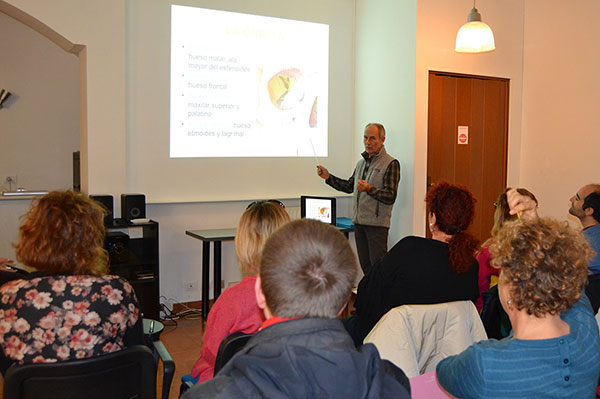


Articoli dal blog del Metodo Bates

“Ho completamente eliminato la mia miopia” Ray Gottlieb
Mi ci sono voluti un anno e mezzo, dedicato al metodo Bates, allo yoga e altre pratiche.
Ma per i primi sei mesi non ho visto cambiamenti nella mia nitidezza.
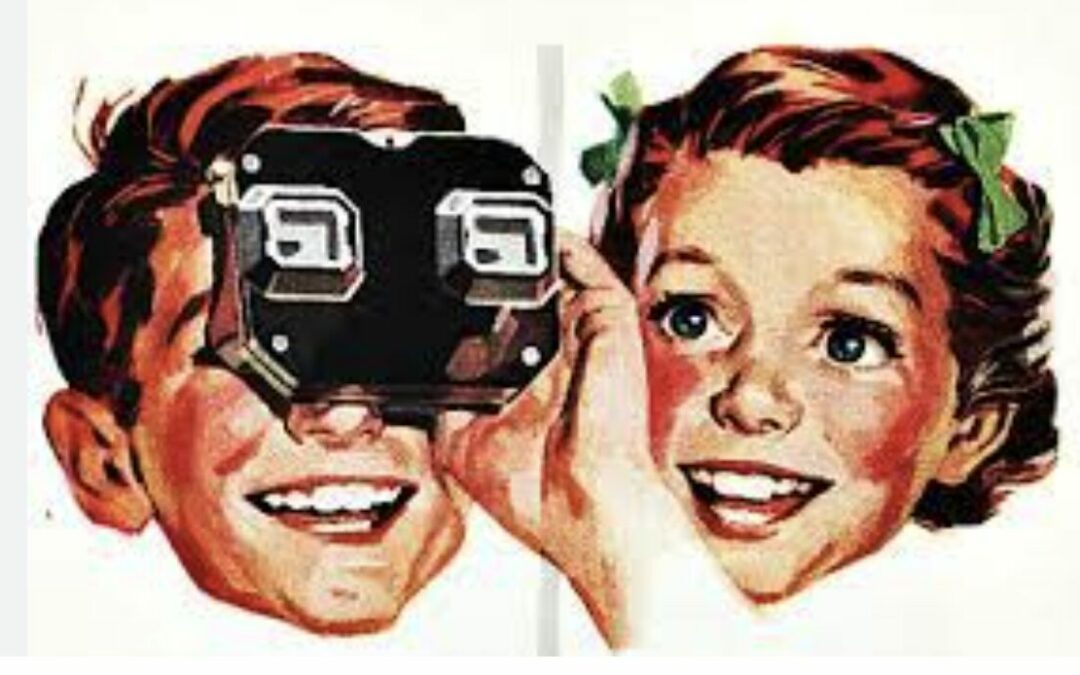
Il View-Master: da “Gli antenati” a “Ritorno al futuro”
Ero bambino quando cominciava a girare il View-Master, quel visore stereoscopico che ci faceva vedere foto a colori…. in 3D! La TV era in bianco e nero….
Ci stanno rubando i sensi
Che il computer faccia peggiorare la vista ormai nessuno più lo nega. E non si tratta solo di perdere qualche diottria …. Barbara Brugger, ha recentemente citato una ricerca dell’Institut für…
RISORSE PER LA VISTA

